


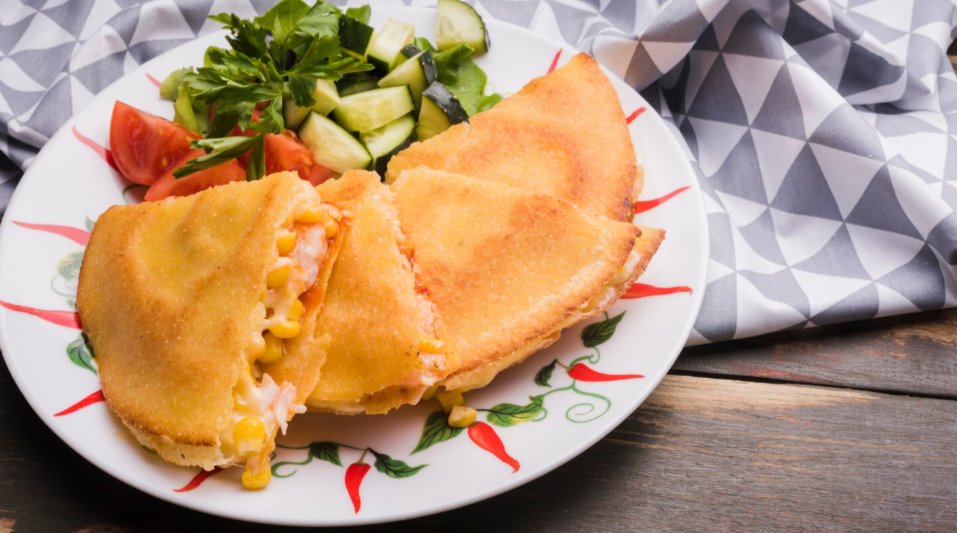
Why Venezuelan Chicken Empanadas Are a Must-Try in Houston
- 05 Feb, 26
- Admin
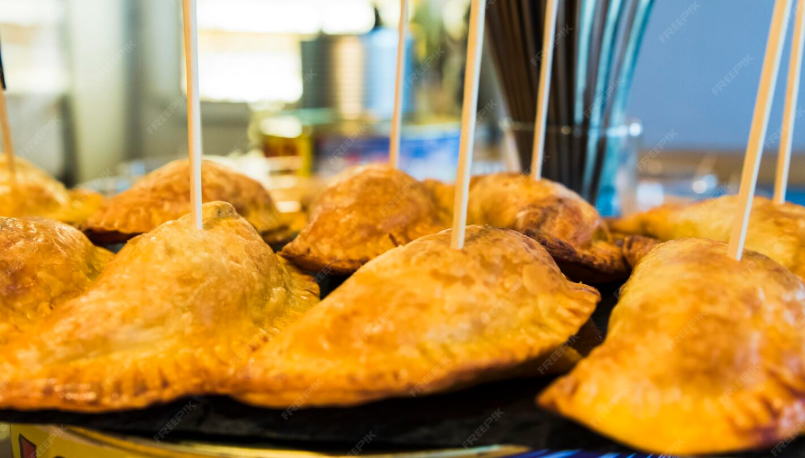
Venezuelan empanadas occupy a distinctive place in Latin American cuisine. Unlike their counterparts from Argentina or Colombia, Venezuelan empanadas use a corn-based dough that creates a tender, slightly sweet shell around savory fillings. This fundamental difference in dough composition defines the Venezuelan empanada and sets it apart from all other variations found throughout the Americas.
The corn flour used in Venezuelan empanadas, specifically precooked white corn flour, produces a dough that handles differently than wheat-based versions. When fried, the exterior becomes lightly crisp while the interior remains soft and almost creamy in texture. This contrast between exterior and interior makes Venezuelan empanadas immediately recognizable to those familiar with the cuisine.
Traditional Venezuelan empanadas take a half-moon shape, larger and flatter than the pocket-style empanadas common elsewhere. This shape allows for even cooking and provides more surface area for the characteristic golden-brown crust that develops during frying. The size also accommodates generous fillings without overwhelming the delicate corn dough.
The most traditional Venezuelan empanada filling combines shredded beef, black beans, and queso blanco. This combination, sometimes called pabellon in reference to the national dish, showcases Venezuelan cuisine in miniature form. The savory beef, earthy beans, and mild cheese balance each other while highlighting the subtle sweetness of the corn dough.
Chicken fillings rank equally popular in Venezuelan empanada traditions. Shredded chicken dressed with mayonnaise and avocado creates the filling known as reina pepiada, named after a Venezuelan beauty queen. This cooler, creamier filling offers contrast to the hot, freshly fried dough. Other chicken preparations include versions with cheese or vegetables, each representing regional preferences within Venezuela.
Seafood empanadas reflect the coastal traditions of Venezuelan cuisine. Shark meat, prepared with peppers and seasonings, appears in empanadas from certain regions. Shrimp, either alone or combined with cheese, provides another oceanic option. These seafood versions demonstrate the adaptability of the empanada format to local ingredients and tastes.
Houston hosts one of the largest Venezuelan expatriate communities in the United States. Economic and political conditions in Venezuela over recent decades have prompted significant emigration, with Houston serving as a major destination due to existing community ties and economic opportunities in the energy sector. This population has created demand for authentic Venezuelan food throughout the metropolitan area.
Venezuelan restaurants, bakeries, and food vendors have proliferated across Houston in response to community demand. From full-service restaurants to small takeout counters in grocery stores, options for Venezuelan empanadas exist in numerous neighborhoods. Areas with concentrated Venezuelan populations, including sections of Katy, the Galleria area, and southwest Houston, offer particularly abundant choices.
Beyond serving the Venezuelan community, these establishments have introduced Venezuelan cuisine to Houston's broader population. Food writers and local media have highlighted Venezuelan restaurants, expanding awareness of the cuisine among non-Venezuelan Houstonians. The distinctive nature of Venezuelan empanadas makes them effective ambassadors for the broader culinary tradition.
Not everyone has time to visit restaurants or possess the skills to make empanadas from scratch. Recognizing this reality, several Houston businesses now offer frozen Venezuelan empanadas for home preparation. These products allow customers to enjoy authentic Venezuelan flavors on their own schedule, simply frying or baking the empanadas at home.
Frozen empanadas maintain quality surprisingly well when properly prepared. The corn dough actually benefits from freezing in some respects, as the moisture content stabilizes and the final product fries more evenly. Fillings sealed within the dough remain protected from freezer burn, retaining their flavors through weeks or months of storage.
Local Venezuelan food producers have capitalized on the frozen market, creating products that meet the standards of the expatriate community while appealing to broader audiences. These businesses often sell at farmers markets, through online ordering, or at specialty grocery stores, making Venezuelan empanadas accessible throughout the Houston area regardless of proximity to restaurant options.
Houstonians have access to empanadas from numerous Latin American traditions, making comparison inevitable. Argentine empanadas, typically baked rather than fried and made with wheat flour dough, offer a completely different textural experience. Colombian empanadas share the corn dough foundation with Venezuelan versions but use yellow corn and different seasoning profiles.
Chilean empanadas, often quite large and baked in a flaky pastry, contrast sharply with the fried Venezuelan style. Mexican empanadas vary widely by region but commonly use wheat flour and different filling traditions. Knowing these distinctions helps eaters appreciate Venezuelan empanadas as a specific culinary tradition rather than a generic Latin American snack.
The diversity of empanada styles in Houston reflects the city's position as a Latin American food destination. Rather than competing, these different traditions complement each other, offering residents and visitors multiple ways to enjoy the empanada format. Venezuelan empanadas hold their own in this scene through their distinctive corn dough and characteristic preparations.
First-time Venezuelan empanada eaters should approach the experience with appropriate expectations. The corn dough differs substantially from wheat-based empanadas, and the fillings follow Venezuelan rather than Mexican or other Latin American flavor profiles. This distinctiveness showcases the appeal of the cuisine for those seeking authentic regional foods.
Accompaniments matter when eating Venezuelan empanadas. Traditional serving includes salsa verde made from cilantro and avocado, providing a cool counterpoint to the hot, fried empanada. Some establishments offer guasacaca, a Venezuelan avocado-based sauce similar to guacamole but with its own distinct character. These accompaniments complete the authentic eating experience.
Exploring multiple filling varieties reveals the range of Venezuelan empanada traditions. Ordering several different types for the table allows comparison and ensures that newcomers find at least one filling that matches their preferences. The combination of familiar ingredients in unfamiliar preparations makes Venezuelan empanadas an accessible entry point to the broader cuisine.
You need to Login OR Register for comment.
Comments (0)