


Why Venezuelan Chicken Empanadas Are a Must-Try in Houston
- 05 Feb, 26
- Admin
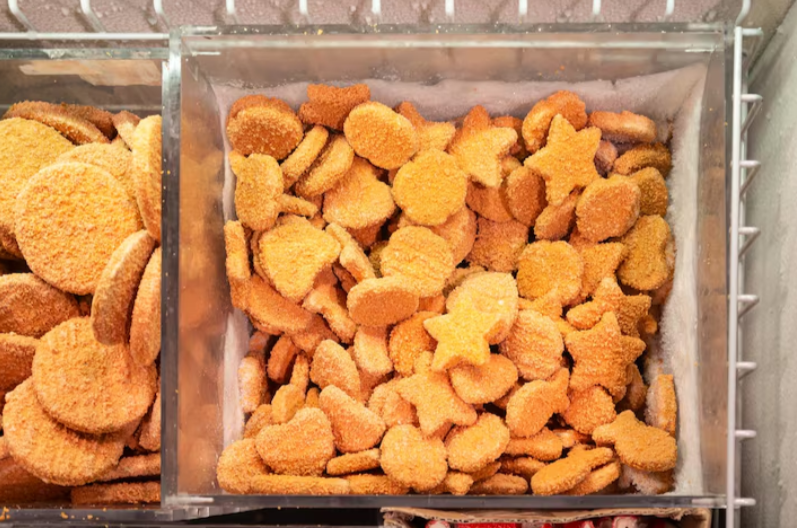
Houston's substantial Venezuelan population has created demand for authentic Venezuelan food products beyond what restaurants alone can provide. Busy professionals, families juggling multiple schedules, and those living in areas without nearby Venezuelan restaurants all benefit from frozen Venezuelan food options. Local producers have responded by creating frozen versions of traditional dishes that maintain authenticity while offering convenience.
The frozen Venezuelan food market in Houston has matured considerably over recent years. What once consisted mainly of empanadas now includes arepas, tequeños, tostones, and other traditional items. This expansion reflects both increasing demand and the entrepreneurial initiative of Venezuelan immigrants bringing their culinary traditions to the American market.
Quality considerations drive the frozen Venezuelan food industry in Houston. Producers understand that their customer base includes Venezuelans who will immediately recognize inauthentic preparations. This knowledge encourages adherence to traditional recipes and methods, resulting in frozen products that genuinely showcase Venezuelan cuisine rather than Americanized approximations.
Tequeños rank among the most popular frozen Venezuelan food items. These cheese-filled fried sticks, traditionally served at parties and gatherings, translate well to frozen preparation. The dough wrapping protects the cheese filling during freezing, and the final product fries or bakes to the same crispy exterior with melted cheese interior as fresh versions.
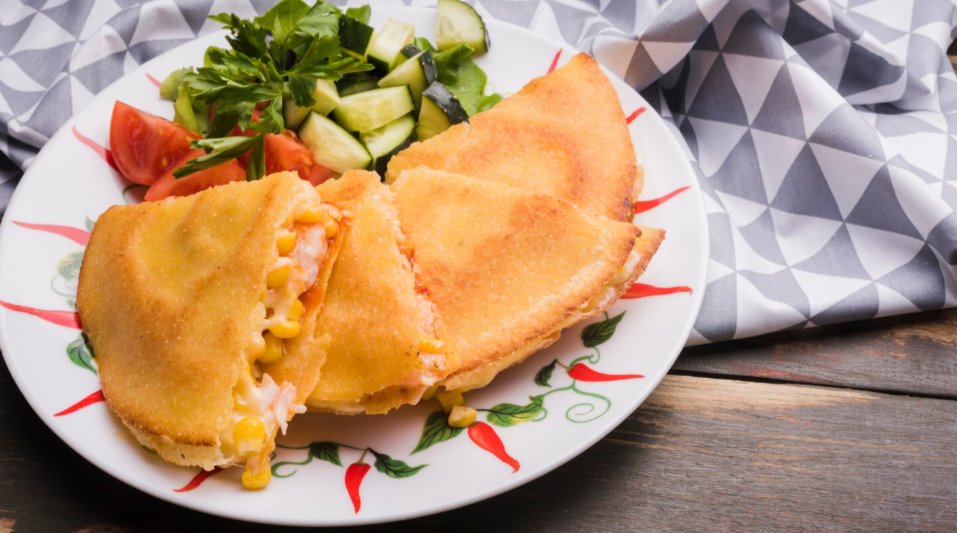
Empanadas are another frozen category with strong Houston availability. Made from corn flour dough and filled with various combinations of meat, beans, and cheese, Venezuelan empanadas freeze effectively. The key lies in proper dough hydration before freezing and appropriate cooking instructions that account for the frozen state.
Arepas, the grilled corn cakes that serve as a staple of Venezuelan cuisine, now appear in frozen form from Houston producers. These can be purchased plain for home filling or pre-stuffed with traditional combinations. Frozen arepas provide convenience for those who lack time to prepare the dough fresh but still want the authentic arepa experience.
Tostones, twice-fried plantain discs, also appear in the frozen Venezuelan food market. While purists might prefer fresh preparation, frozen tostones offer acceptable quality for busy weeknights or unexpected gatherings. The firmness of plantains protects them from the texture degradation that affects some foods during freezing.
Several distribution channels serve the frozen Venezuelan food market in Houston. Direct ordering from producers offers the freshest options and often the widest selection. Many producers maintain websites with online ordering capabilities, delivering throughout the Houston area or offering pickup locations.
Farmers markets provide another avenue for purchasing frozen Venezuelan foods. Producers frequently sell at markets throughout the metropolitan area, allowing customers to meet the makers and ask questions about products and preparation. Market vendors often provide samples, helping customers choose among unfamiliar items.
Specialty grocery stores serving Latin American communities stock frozen Venezuelan products alongside other imported and locally produced foods. These stores, concentrated in areas with significant Venezuelan populations, offer convenient access for regular purchases. Store staff can often provide guidance on product selection and preparation.
Online marketplaces have expanded access to frozen Venezuelan foods beyond traditional retail channels. Some Houston producers ship throughout Texas or nationally, allowing former Houstonians or those in areas without local Venezuelan food producers to access authentic products. Cold packaging technology makes shipping frozen foods practical for distances that would have been impossible just years ago.
Success with frozen Venezuelan foods depends largely on following preparation instructions carefully. Cooking temperatures and times differ from fresh preparations, and shortcuts often produce inferior results. Patience during thawing (when required) and cooking yields products that approach the quality of restaurant preparations.
Frying remains the traditional cooking method for many Venezuelan foods, and frozen products generally perform best when fried. Oil temperature matters greatly, as too-cool oil produces greasy results while too-hot oil burns exteriors before interiors cook through. A thermometer helps maintain appropriate frying temperatures throughout cooking.
Air frying has emerged as an alternative preparation method, offering results that approach traditional frying with less oil. Many frozen Venezuelan food producers now include air fryer instructions alongside traditional directions. This option appeals to health-conscious consumers and those who prefer not to deal with large quantities of hot oil.
Oven baking provides another alternative, particularly for products like empanadas that can achieve acceptable results without frying. The texture differs from fried versions, with a drier, more uniform exterior, but convenience and health considerations make baking attractive for some consumers. Following producer recommendations on temperature and time produces the best baked results.
For Venezuelan immigrants in Houston, access to authentic food from home provides connection to culture and community. The ability to serve traditional dishes at family gatherings, holiday celebrations, and casual meals maintains cultural continuity across generations. Frozen Venezuelan foods support this cultural maintenance by making traditional items accessible regardless of time constraints or cooking skills.
Beyond the Venezuelan community, frozen Venezuelan food availability introduces these culinary traditions to broader audiences. Houstonians curious about Venezuelan cuisine can experiment at home, building familiarity and appreciation that may lead to restaurant visits or deeper exploration of the culture. This cultural exchange benefits both communities.
The economic impact of the frozen Venezuelan food industry in Houston deserves recognition. These businesses provide employment, support local suppliers, and contribute to the local economy. Many started as home-based operations and have grown into established businesses, representing the entrepreneurial spirit of Houston's immigrant communities.
Incorporating frozen Venezuelan foods into regular meal rotation requires minimal adjustment for most households. Tequeños work as appetizers or snacks for any gathering. Empanadas serve as main courses for lunch or dinner. Arepas replace bread or other starches at meals, with fillings customized to complement other dishes.
Keeping a selection of frozen Venezuelan foods in the freezer ensures options remain available for unexpected situations. Guests arriving unannounced, late nights requiring quick meals, or simple cravings for authentic flavors all benefit from a stocked freezer. The shelf life of properly frozen products provides flexibility without waste concerns.
Meal planning can incorporate frozen Venezuelan foods alongside other cuisines without conflict. The flavors complement rather than clash with most American and Latin American dishes. A household might serve Venezuelan empanadas one night, Mexican tacos another, and American classics the third without any sense of culinary dissonance. This flexibility makes frozen Venezuelan foods practical additions to most Houston kitchens.
You need to Login OR Register for comment.
Comments (0)